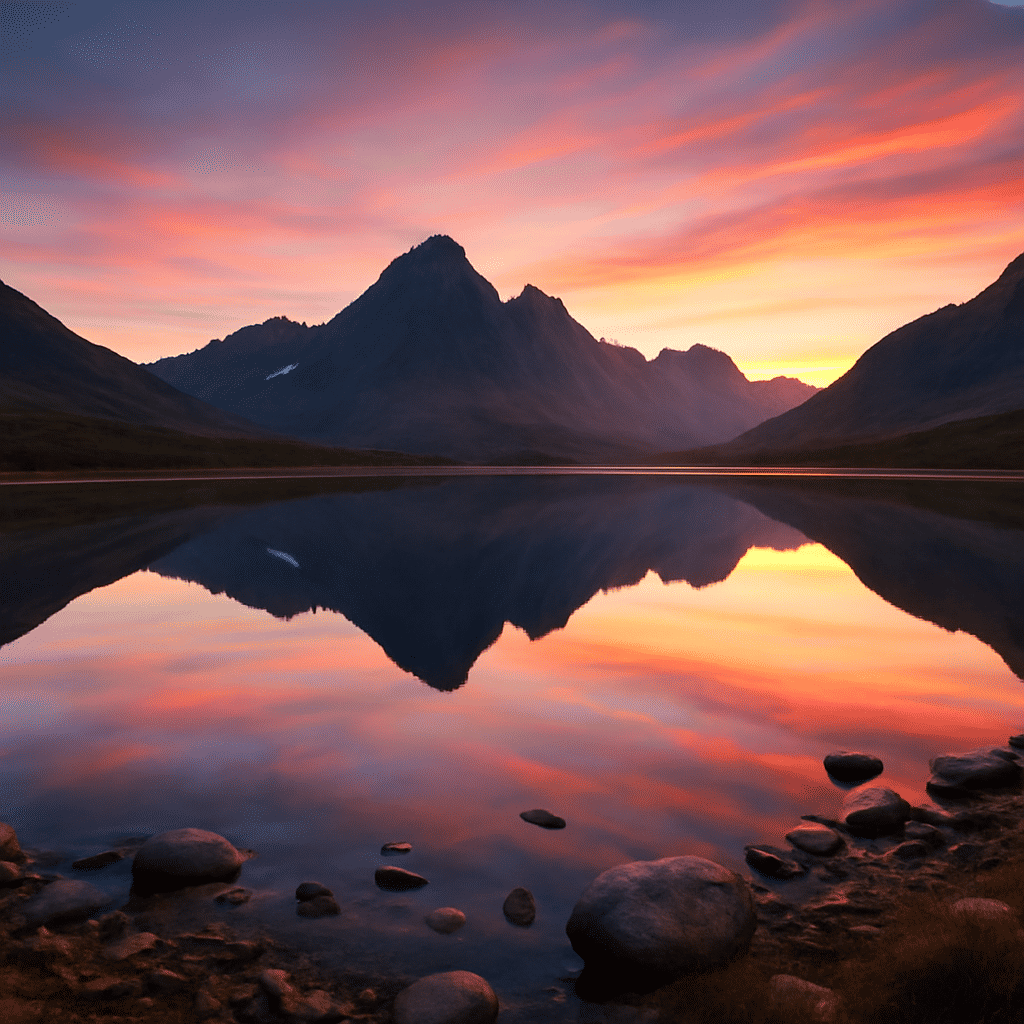
Capturing the essence of the natural world is a rewarding journey that transforms an ordinary shot into an extraordinary image. The art of capturing landscapes, wildlife, and flora in their purest form involves an intricate blend of patience, timing, and technique. Here are some tips to enhance your skills in crafting stunning nature images, focusing on elements like composition and lighting.
Understanding Composition
Composition is the foundation of any memorable image. In the realm of nature, it’s about guiding the viewer’s eye through the frame and evoking emotion. The rule of thirds is a valuable guideline where you divide the frame into a grid of nine equal parts and position your subject along these lines or at their intersections. This technique creates balance and interest in your shot.
Leading lines are also an effective compositional tool, guiding the viewer's gaze through the image. These can be natural features like rivers, paths, or tree lines. Take time to explore your environment to discover these elements, adding depth and dimension to your images.
Mastering Light
Light is crucial in nature imagery. The golden hours – shortly after sunrise and before sunset – provide a soft, warm glow that enhances textures and colors. This is the perfect time to capture landscapes bathed in gentle light, creating a sense of tranquility and wonder.
Midday light can be harsh, but it offers opportunities for capturing contrasts and shadows. For close-up shots of flora, overcast skies act as a natural diffuser, providing even lighting and allowing intricate details to pop without harsh shadows.
Playing with Perspective
Experimenting with different angles can dramatically alter the impact of your image. Crouch low to capture the world from the ground level, making small subjects appear larger than life. Alternatively, seek higher vantage points for sweeping landscape views that showcase the grandeur of nature.
When photographing wildlife, patience is key. Wait for the perfect moment when the animal is engaged in its natural behavior. This approach not only results in compelling images but also tells a story of the creature's habitat and lifestyle.
Capturing Movement
Nature is dynamic, filled with movement and life. Freezing a moment, such as a bird in flight or a waterfall, requires understanding shutter speed. Fast speeds capture sharp, frozen images, while slower speeds create dreamy, blurred effects that convey the energy and flow of motion.
Utilizing Editing Software
While it’s essential to capture an incredible image in-camera, refining it using editing tools can elevate the final outcome. Subtle adjustments in exposure, contrast, and color balance can bring out the best in your shot while maintaining the natural appearance.
Respecting the Environment
Nature provides endless subjects and scenes to capture, and it’s crucial to approach this art with respect for the environment. Always adhere to local guidelines and ensure your presence causes no harm to the ecosystem. This respect ensures that future generations can also enjoy and capture the natural beauty that surrounds us.
In conclusion, to excel in nature imagery, venture outside your comfort zone and embrace the challenges of the wild. With artistry and respect, you can create images that are not only visually captivating but also meaningful and inspiring. Keep exploring and let nature’s beauty guide your creative journey.