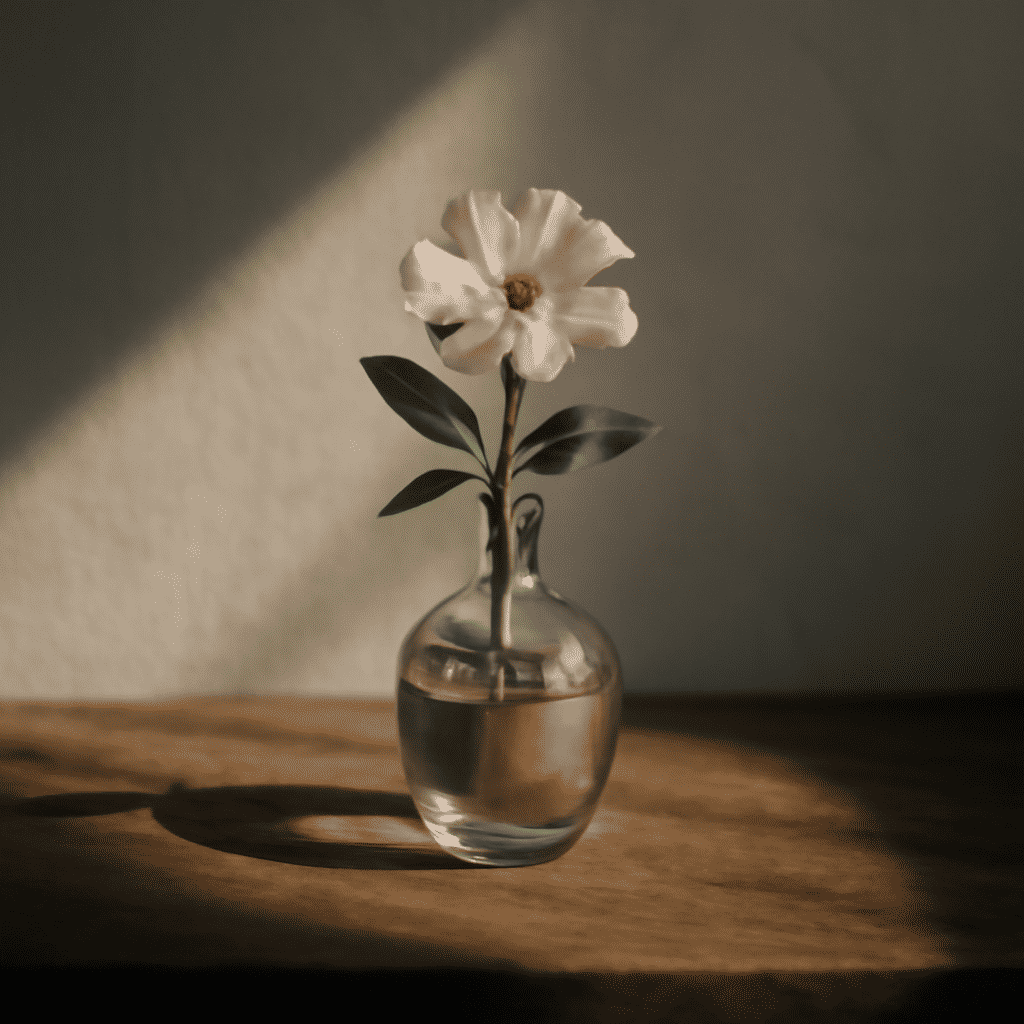
Understanding the profound impact of light is pivotal in refining photographic art. Light can significantly transform photographs by enhancing textures, enriching colors, and setting the mood. The ability to manipulate light enables photographers to convey emotions and narratives through their work.
The Magic of Natural Light
Natural light is often the most accessible and versatile resource. The time of day dramatically affects its quality and warmth. Golden hour, which occurs shortly after sunrise and before sunset, provides a soft, warm ambiance perfect for highlighting subjects without harsh shadows. In contrast, the blue hour, just before sunrise or after sunset, offers a cooler tone, creating an ethereal and melancholic mood.
Mastering Artificial Light
Artificial lighting allows for control and consistency, making it essential for indoor and night photography. Different artificial light sources can produce varying effects. Softboxes and diffusers yield a gentle, enveloping light, ideal for portraits as they minimize shadows. On the other hand, direct and hard light sources, like bare bulbs, produce stark contrasts suitable for dramatic and high-contrast compositions.
Exploring Shadows and Highlights
Shadows and highlights introduce depth and dimension. Skilled use of shadows can add intrigue and mystery, while highlights can direct the viewer's attention to specific areas of the frame. Balancing these elements requires a keen eye but is fundamental to creating dynamic images.
Creative Light Manipulation Techniques
Reflectors are vital tools for redirecting natural or artificial light onto a subject, filling shadows, and highlighting details. Similarly, various filters can modify light colors and intensity, adding unique and stylized effects to photographs. Incorporating gobo (go-between optics) patterns can cast shapes and textures, further enhancing the storytelling angle.
Colors of Light
The color temperature of light can alter perceived emotions in a photograph. Warm tones often evoke feelings of comfort and intimacy, while cooler tones can suggest calmness or detachment. Understanding and adjusting the white balance ensures accurate color reproduction, allowing photographers to remain true to or creatively enhance their visions.
Conclusion
Harnessing the nuances of light can redefine photography. By thoughtfully considering how light interacts with the subject and surroundings, photographers can elevate their art, capturing not just images but emotions and stories. The power of light, when wielded skillfully, opens infinite possibilities in creating visually compelling and evocative works.